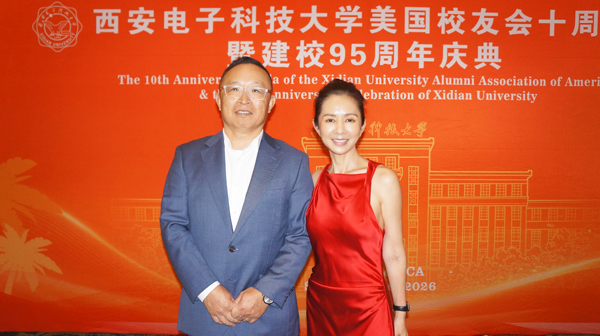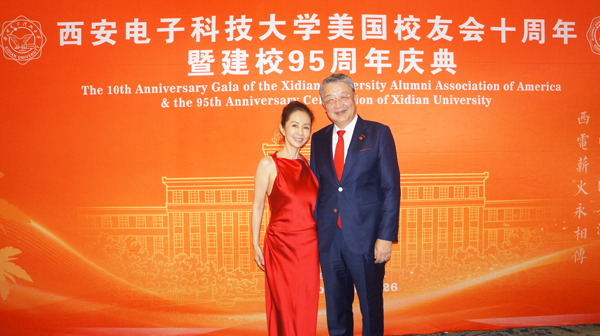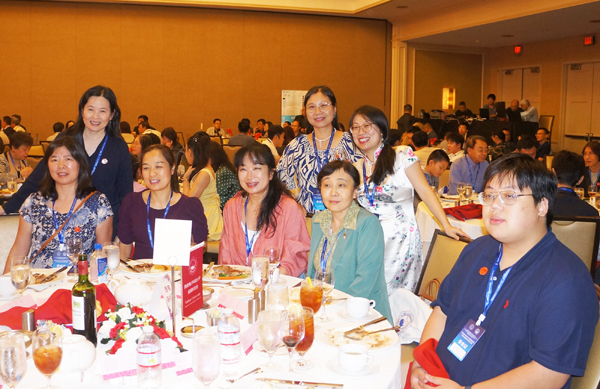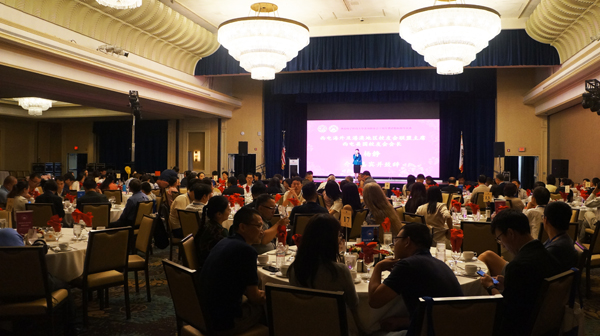
LOS ANGELES — From the classrooms of Xi’an to Silicon Valley, communities across the United States and destinations around the world, generations of Xidian University graduates have carried their education into new fields and new opportunities. On September 26, more than 200 alumni gathered in Los Angeles to celebrate the 10th anniversary of the Xidian University Alumni Association of America and the 95th anniversary of their alma mater.
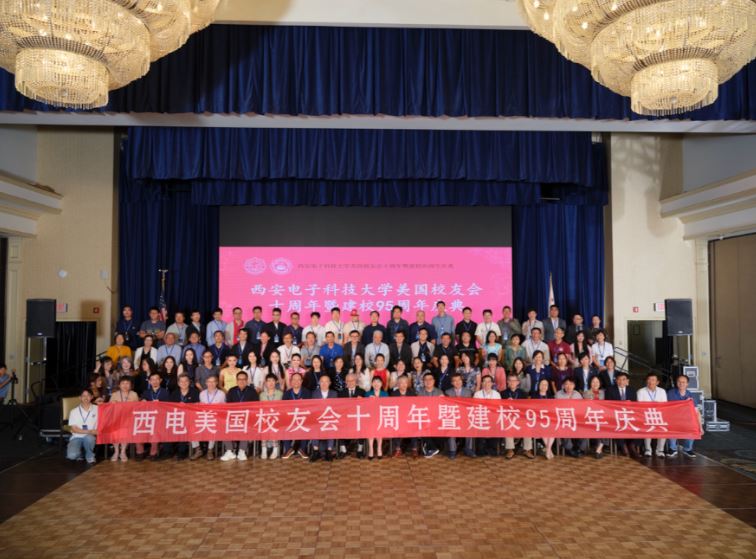
The gathering brought together alumni from Los Angeles, Irvine, the San Francisco Bay Area, Seattle, Houston, Dallas, New York and other U.S. cities, as well as Canada, Australia, Singapore, Japan and mainland China. Throughout a day of presentations, conversations, group photographs and an evening banquet, participants reflected on the university’s history and the association’s first decade while sharing their experiences in technology, professional life and community service.
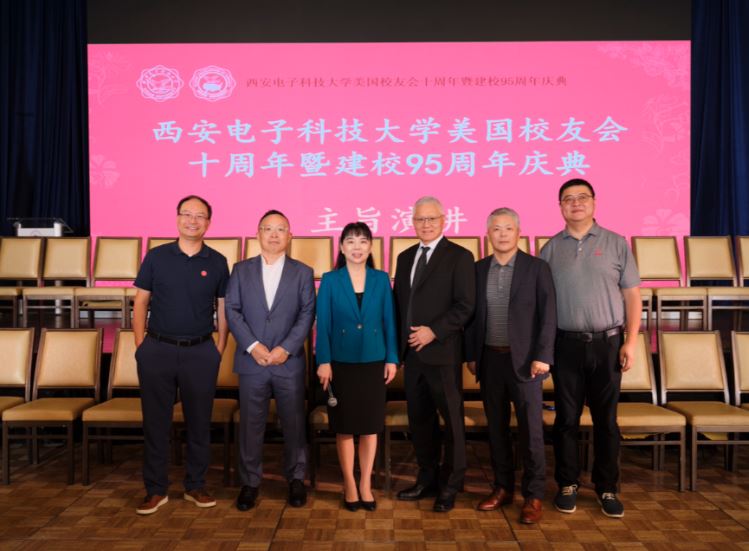
Five distinguished alumni delivered keynote presentations during the afternoon: Dr. Shumin Zhai, Principal Scientist and Director of GBoard and Interaction Methods at Google; Dr. Bazhong Shen, Inaugural President of the Xidian University Alumni Association of America and former Dean of Xidian’s School of Telecommunications Engineering; Prof. Weisong Shi, an IEEE Fellow and Endowed Chair Professor and Department Chair of Computer and Information Sciences at the University of Delaware; Prof. Fei Wang, a Fellow of ACMI, AMIA and IAHSI and a Tenured Professor and Vice Dean at Weill Cornell Medicine, Cornell University; and Bing Xie, Board Director and Co-Chief Executive Officer of Silergy Corp.
Drawing on their research, careers and personal choices, the speakers explored the opportunities and challenges created by technological change, bringing academic and industry perspectives into a shared conversation.
Zhai, an ACM Fellow, spoke on “A Journey Without Boundaries, from Xi’an to Silicon Valley: Reflections on Life Amid Changing Times and Waves of Technology,” tracing his path from Xidian to the forefront of technological innovation.
Shen’s presentation, “Reflections on Returning to Work at Xidian,” revisited his years at the university and his enduring connection with his alma mater.
Shi presented “Vehicle Computing: A New Computing Paradigm in the Era of Autonomous Driving.” Wang discussed “Career Transition: From Computer Science to Healthcare,” while Xie addressed “Opportunities and Challenges for Chinese Professionals in the Workplace.”
Although their experiences differed, the five speakers shared a commitment to applying their knowledge to changing circumstances and continuing to explore unfamiliar fields.
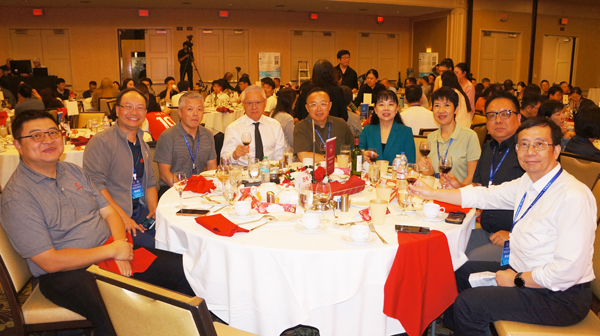
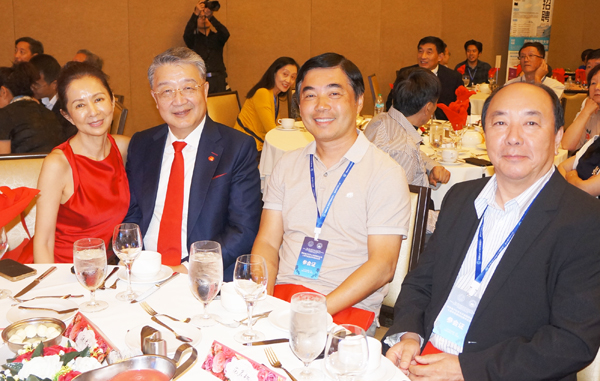
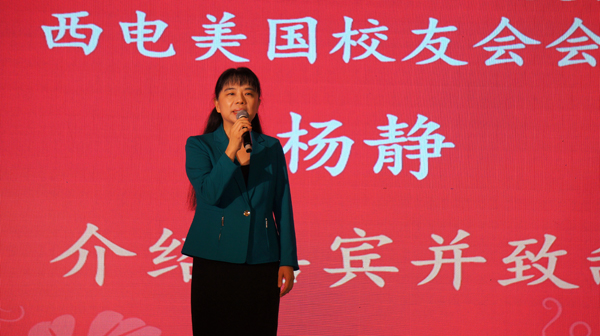 As evening arrived, the celebration shifted to a banquet. Jing Yang, President of the Xidian University Alumni Association of America, welcomed guests from the university, fellow alumni associations, the Southern California alliance of Chinese university alumni associations, known as CUAAASC, and the broader community. She also thanked the alumni and volunteers who had organized the celebration.
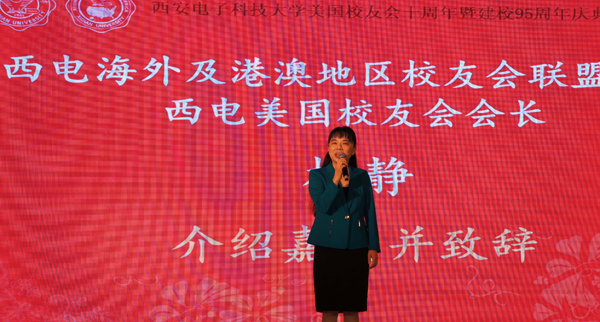 Founded in 2016, the association now has more than 20 regional chapters across the United States, covering most major cities and regions, Yang said. Over the past decade, it has built a platform for communication, collaboration and resource sharing, supporting alumni in further education, employment, career development and everyday life. It has also organized and supported charitable activities while strengthening connections among regional alumni groups.
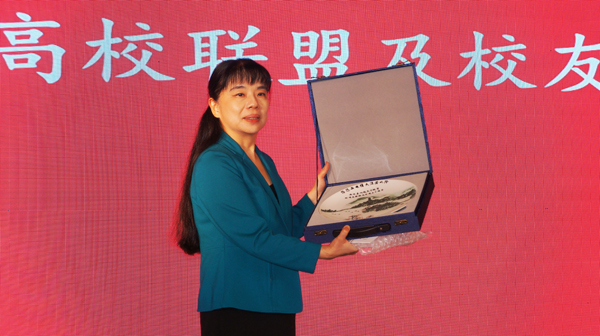 For Yang, an alumni association is first a welcoming “home.” It is also a bridge connecting alumni with one another, with their alma mater and with the communities in which they live and work.
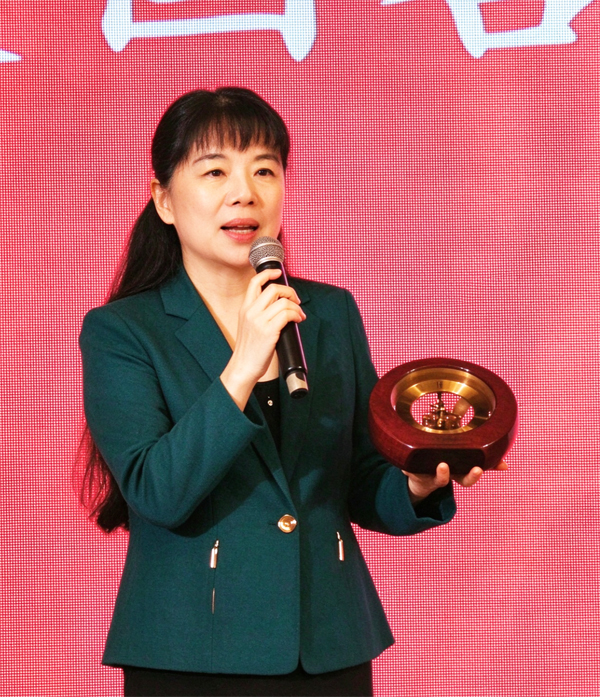
That bridge has continued to extend beyond the United States. Yang recalled that in 2022, the American association initiated the formation of the Xidian University Alliance of Overseas, Hong Kong and Macao Alumni Associations, bringing together nine alumni organizations. Since its establishment, the alliance has organized overseas alumni Lunar New Year celebrations, the “Voice of Xidian Overseas” singing competition, distinguished alumni forums and charitable activities, encouraging member organizations to support one another and serve alumni together.
“We are all ordinary people, but ordinary people working together can accomplish extraordinary things,” Yang said.
Reflecting on the association’s first decade, she thanked successive boards, volunteers and alumni for their contributions. Its growth, she said, also reflected the university’s longstanding care and support.
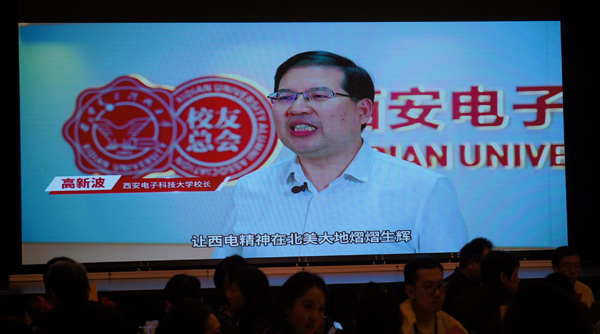
During the banquet, a recorded address from Xidian University President Xinbo Gao, a retrospective on the association’s first decade, and videos from the university and fellow alumni associations brought attention back to the relationships and efforts behind its development.
In his video address, Gao said the association had remained committed to its founding mission of connection, service, cooperation and development. From Silicon Valley to Southern California, and from New York to Houston, it had gradually established a nationwide alumni network and become an important platform for bringing together and serving Xidian graduates in the United States.
He thanked U.S.-based alumni for their continuing support of the university, recalling how the association mobilized supplies and sent assistance to Xidian during the COVID-19 pandemic in 2020.
Marking the university’s 95th anniversary, Gao said Xidian was advancing its efforts to become a world-class university with distinctive strengths, making continued progress in education, research and international cooperation.
He described overseas alumni as living ambassadors for Xidian and among the university’s most valuable assets. He encouraged the American association to continue strengthening cooperation between alumni and the university, as well as among alumni themselves, and to create stronger platforms for professional development. The university, he added, would continue supporting the association and helping alumni pursue their aspirations abroad.
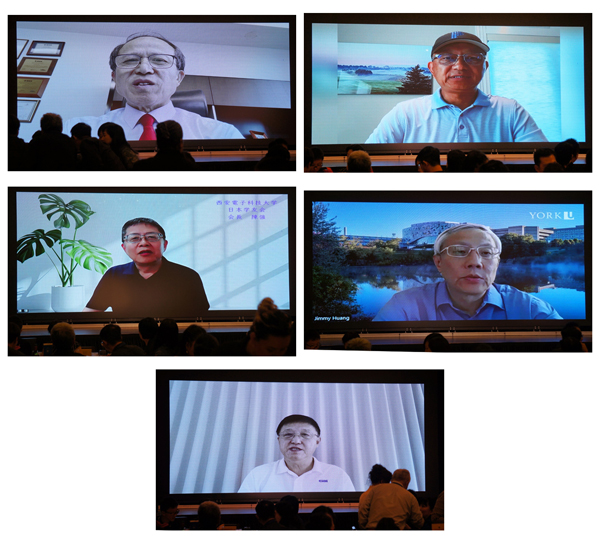
Several distinguished alumni also sent recorded congratulations. They included Jiangzhou Wang, a Foreign Member of the Chinese Academy of Engineering and Fellow of the Royal Academy of Engineering; Yihong Qi, a Fellow of the Canadian Academy of Engineering and the U.S. National Academy of Inventors; Qiang Chen, a member of the Engineering Academy of Japan and President of the Xidian University Japan Alumni Association; Xiangyi Huang, a Fellow of the Canadian Academy of Engineering; and Wei Ma, Co-Founder, Executive Director and Vice Chairman of CIDI.
Although unable to attend in person, they joined the celebration through video messages honoring both anniversaries.
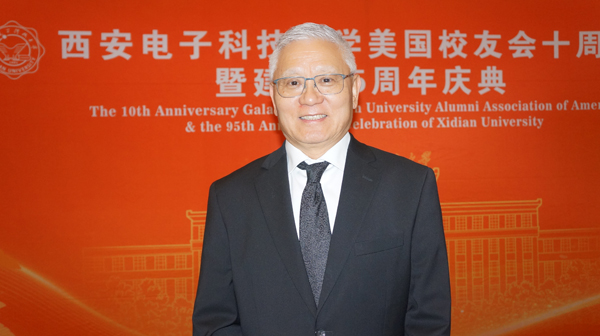
In a media interview, Zhai said his keynote was intended to share the journey that had taken him from studying at Xidian to graduate education overseas, scientific research and industry. Through stories and moments from that journey, he hoped to exchange ideas with fellow alumni about personal growth and career development.
Zhai entered Xidian as an undergraduate in 1977, continued his graduate studies there and later taught and conducted research at the university. After leaving Xidian in 1989, he pursued further studies in Canada and earned his doctorate before moving to Silicon Valley. His work at IBM Research combined fundamental scientific research with product innovation, and his career has also included entrepreneurship, invention and industry practice. He said he had spent the past 15 years as a principal scientist at Google.
Zhai described Xidian alumni as capable, hardworking and grounded. He encouraged them to develop greater confidence, recognize opportunities in their fields and make full use of their abilities.
He also urged overseas Chinese professionals to participate more actively in mainstream American society and seek positions of leadership and influence. While acknowledging that the term “elite” can carry different meanings, he said Chinese Americans should continue building their capabilities and strengthening their civic and professional engagement.
“Keep working hard. Keep striving,” Zhai said.
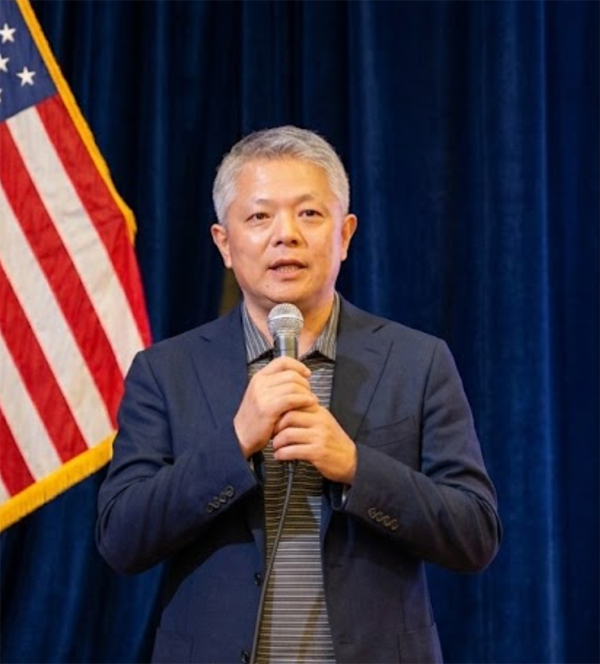
Xie, a former Senior Vice President and Executive Officer at Texas Instruments and now Board Director and Co-Chief Executive Officer of Silergy Corp., delivered his presentation during the “Frontiers of Artificial Intelligence and Technological Innovation Forum.”
Drawing on years of experience managing multinational businesses, he discussed the strengths of Chinese professionals in the American workplace, cultural differences and approaches to career advancement.
Xie reflected on the lasting influence of Xidian’s emphasis on moral integrity, stressing that honesty and honoring commitments are essential to building long-term trust with customers and teams.
Chinese professionals often bring strong technical skills, learning ability and a diligent work ethic, he said. Advancing into senior management, however, also requires confidence, communication skills, sound judgment and an understanding of how organizations make decisions. Professionals should also consider how habits such as modesty and reserve may be interpreted in different workplace cultures.
He recommended leading workplace communications with the main conclusion, then providing supporting details and explaining the business impact and strategic significance according to the audience’s needs.
For career development, Xie encouraged professionals to express their goals, build relationships and seek both mentors and sponsors who are willing to advocate for them when important opportunities arise.
As AI reshapes industries, he urged Chinese professionals to continue learning and taking initiative, translating technical expertise into business value, organizational influence and leadership.
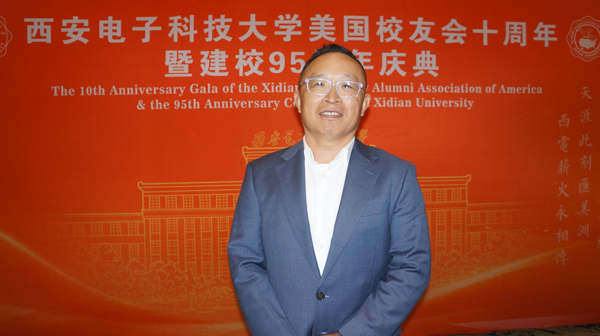
In a separate interview, Shen recalled spending eight years at Xidian, serving as Dean of the School of Telecommunications Engineering and Dean of the Graduate School. Before returning to the university, he had worked at Broadcom in the United States.
Among his most memorable experiences was the university’s growing engagement with alumni in China and overseas, bringing their expertise and support into Xidian’s development.
He also took part in planning and implementing international education partnerships. Drawing on his industry background, he worked to strengthen ties among students, the university and companies, helping education and research respond more closely to practical industry needs.
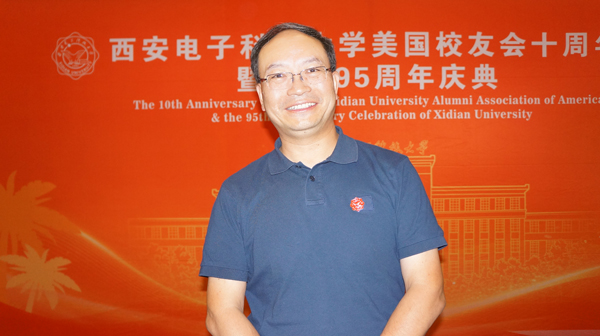
Shi said in an interview that he was delighted to participate in the celebration and offered his congratulations on Xidian’s 95th anniversary.
During his presentation, he shared recent research by his team in autonomous driving and related fields. He said alumni associations provide more than a platform for friendship and academic exchange: they also help pass knowledge and experience from one generation to the next.
When alumni from different generations come together, experienced graduates can share lessons from their education, research and careers, helping younger alumni avoid unnecessary setbacks and gain new perspectives.
For Shi, this continuity is central to the value of an alumni association: preserving and sharing accumulated knowledge, experience and values so that alumni can support one another, learn together and grow.
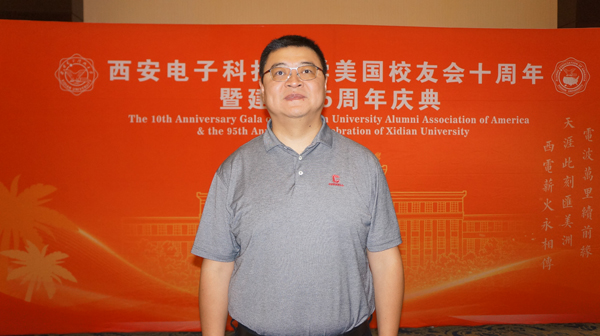
Wang, who entered Xidian’s Department Four in 1999, discussed his transition from automation and artificial intelligence research into healthcare.
At Weill Cornell Medicine, he serves as a Tenured Professor and Vice Dean, Founding Director of the Division of Health Informatics and Artificial Intelligence, and Founding Director of the Institute for AI and Digital Health.
In his interview, Wang explained that his forum presentation drew on his professional journey from engineering and AI to medicine, while examining how AI could shape the future of healthcare.
As smartphones, smartwatches and smart rings become more widespread, individuals are generating increasing amounts of health data, he said. AI analysis could help develop a more comprehensive understanding of a person’s health, identify disease risks earlier and offer more personalized recommendations for lifestyle, diet and health management.
Such developments could support a gradual shift from treating illness after it appears toward predicting risks and intervening earlier.
Wang emphasized that applications affecting human health and safety require caution and thorough validation. AI is already being used to assist with medical documentation and organize clinician-patient conversations, reducing administrative work and allowing physicians to devote more time to patients. As the technology matures, he sees further opportunities in disease prediction and personalized intervention.
Drawing on his own transition into medicine, Wang offered two suggestions to students and younger alumni. First, they should keep strengthening their professional capabilities so that they are prepared when opportunities arise. Second, they should invest in long-term relationships and collaboration, seeking support from mentors, colleagues and partners across disciplines.
Professional growth, he said, depends both on expertise and on a strong network of cooperation and support.
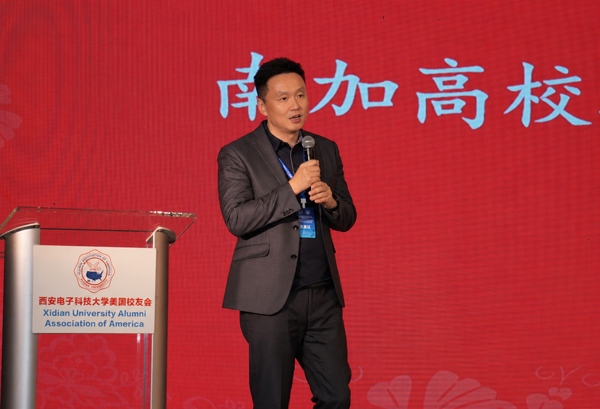
In his banquet remarks, Yong Chen, current President of CUAAASC and former President of the Peking University Alumni Association of Southern California, noted that both CUAAASC and the Xidian University Alumni Association of America were celebrating their 10th anniversaries this year.
Over the past decade, CUAAASC had grown to include 88 member associations and connect approximately 50,000 alumni, he said. Xidian’s alumni association had remained an integral part of that community, with its members contributing to cultural programs, charitable activities and alumni gatherings.
Chen described the anniversary as both a milestone and a new beginning. He congratulated Xidian on its 95th anniversary and expressed his hope that the two organizations would continue working together to serve alumni and contribute to the Chinese American community.
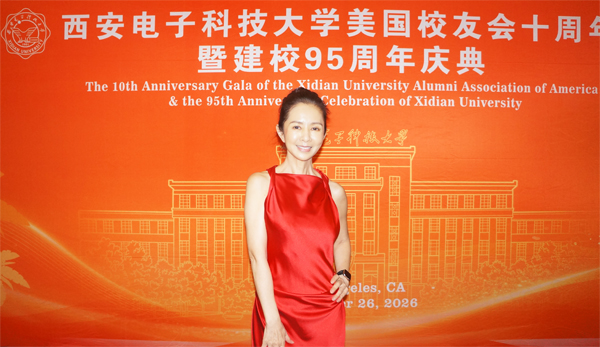
Liza Russell, President of the Xidian University Alumni Association of Southern California and CUAAASC’s 2024 President, said in a media interview that Xidian’s 95-year history had shaped generations of graduates through its emphasis on integrity, truth-seeking, diligent study and committed action.
Today, she said, Xidian alumni work around the world in technology, education and industry, carrying the university’s rigorous and practical approach into their professions.
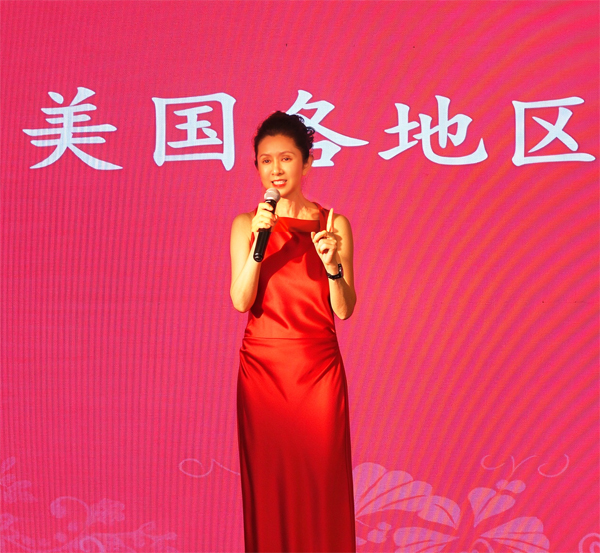
Living overseas makes the importance of unity and mutual support especially clear, Russell said. Alumni associations sustain friendships, encourage cooperation and help members engage with their local communities. The establishment of Xidian alumni organizations across the United States has helped graduates reconnect after moving abroad and preserve their shared connection to the university.
In Southern California, the association works through CUAAASC to strengthen relationships with alumni of other universities and participate in community life.
“Connect, Unite, Speak as One,” Russell said, expressing her hopes for future cooperation.
The purpose of alumni reunions, she added, extends beyond memories of campus life. By building relationships and working together, alumni can strengthen both their own networks and the broader Chinese American community.
“We connect, we unite, and one day, we’ll speak as one,” she said, calling for a more united and confident voice through continued service, exchange and collaboration.
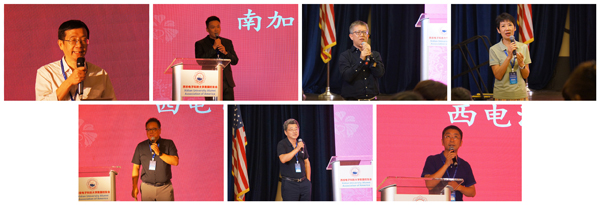
Later in the banquet, representatives of fellow Xidian alumni associations and regional U.S. alumni groups shared their experiences and offered congratulations on the two anniversaries.
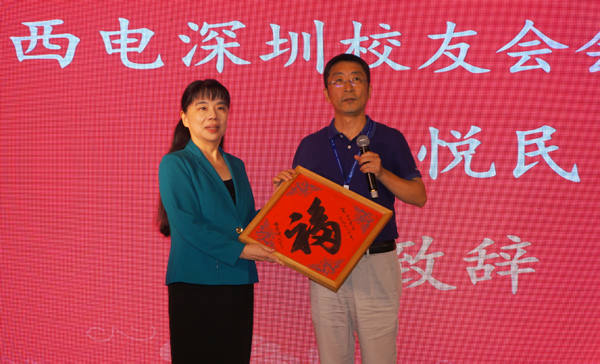
Speakers from fellow associations included Feng Wang, President of the Xidian University Australia and New Zealand Alumni Association; Li Lu, President of the Xidian University Singapore Alumni Association; Li Shen, Executive President of the Xidian University Japan Alumni Association; Ning Chen, Vice President of the Xidian University Canada Alumni Association; Yuyong He, Vice President of the Xidian University Zhejiang Alumni Association; and Yuemin Feng, Special Envoy of the President of the Xidian University Shenzhen Alumni Association.
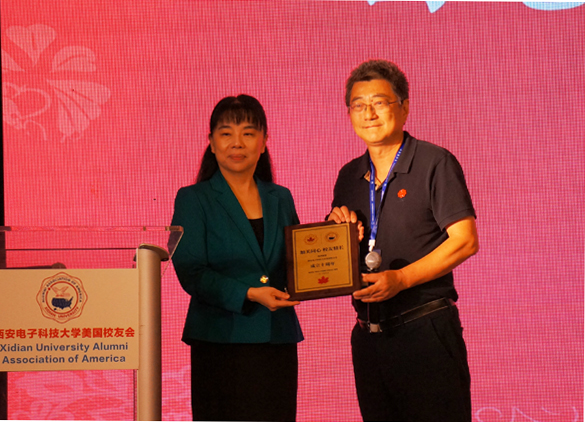
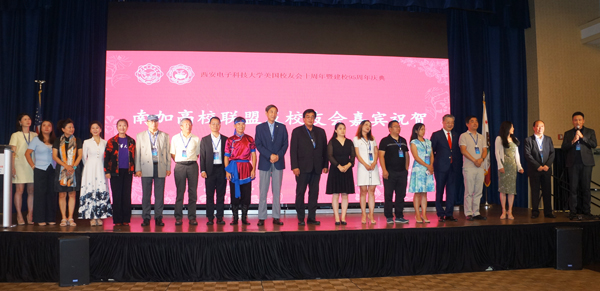
CUAAASC and member-association representatives joining the celebration included:
ong Chen, current President of CUAAASC and former President of the Peking University Alumni Association of Southern California;Roy Fan, current Board Chair of CUAAASC and Board Chair of the Dalian University of Technology Alumni Association of Southern California;Sophie, current Secretary-General of CUAAASC and Vice Board Chair of the Xiamen University Alumni Association of Southern California;Lingyun Gu, current Vice Board Chair of CUAAASC and President of the University of Electronic Science and Technology of China Alumni Association of Southern California;Lei Wang, recipient of the 2026 California Asian & Pacific Islander Legislative Caucus Leadership Award and former President of the Huazhong University of Science and Technology Alumni Association of Southern California;
Jessica Liu, CUAAASC’s 2025 President and President of the Shandong University Alumni Association of Southern California;Harly Wu, CUAAASC’s 2025 Board Chair and President of the Zhejiang University Alumni Association of Southern California;Liza Russell, CUAAASC’s 2024 President and President of the Xidian University Alumni Association of Southern California;Lisa Smith, CUAAASC’s 2024 Board Chair and President of the Wuhan University Alumni Association of Southern California;Shuting Sun, CUAAASC’s 2023 President and President of the Xiamen University Alumni Association of Southern California;Mark Zhang, CUAAASC’s 2022 President and former President of the Chiao Tung University Alumni Association of Southern California;Yue Rong, CUAAASC’s 2020 Board Chair and former President of the Beijing Normal University Alumni Association of Los Angeles;James Wu, CUAAASC’s 2019 Board Chair and President of the Wenzhou Medical University North America Alumni Association;Ronggen Wan, Board Chair of the Chiao Tung University Alumni Association of Southern California;Xiaoming Yu, President of the Beihang University Alumni Association of Los Angeles;Shaobo Qiu, CEO of Meichengda Group and Vice President and Secretary-General of the Sun Yat-sen University Alumni Association of Southern California;Jean Huang, President of the Guangdong University of Foreign Studies Alumni Association of Los Angeles;Kaja He, former President of the Tsinghua Alumni Association of Southern California;
Jennifer Fu, President of the Beijing International Studies University Alumni Association of Southern California; andAngela Wang, President of the Zhengzhou Sias University Alumni Association of Los Angeles.
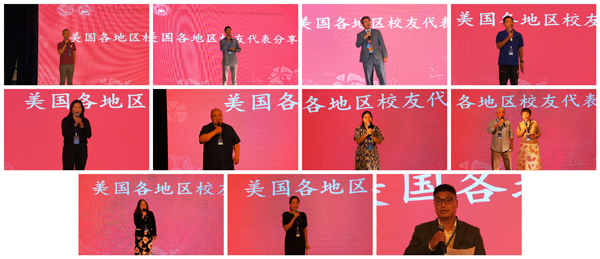
Regional alumni representatives from across the United States also shared their experiences. Representing the western United States were Na Li, Xiaofei Fan, Hanzhe Teng, Haohua Zhou, Yue Chen and Lijun Xue. Southern U.S. representatives included Minchao Liu, Qing Mi, Wei Tian, Yan Xu and Hongzhi Qiao. Eastern U.S. representatives included Jianqun Wang, Yanlin Yue and Peiyuan Zhou.
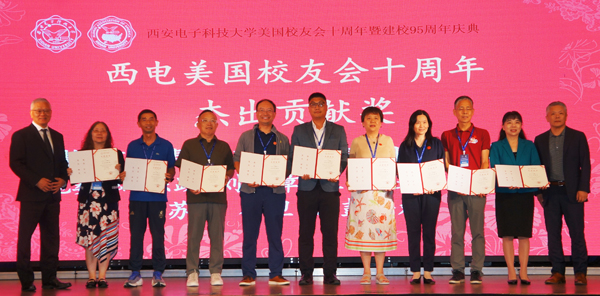
The celebration also featured the association’s 10th Anniversary Outstanding Contribution Awards, presented by Shumin Zhai and Bing Xie.
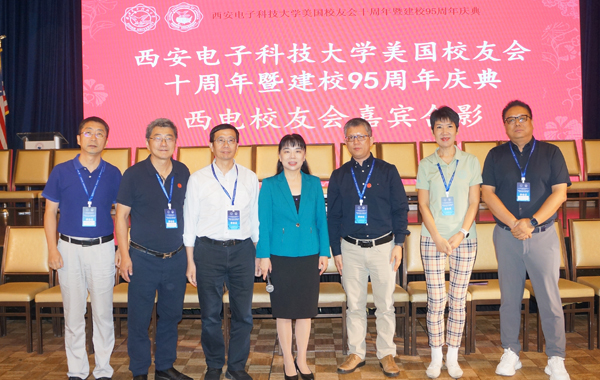
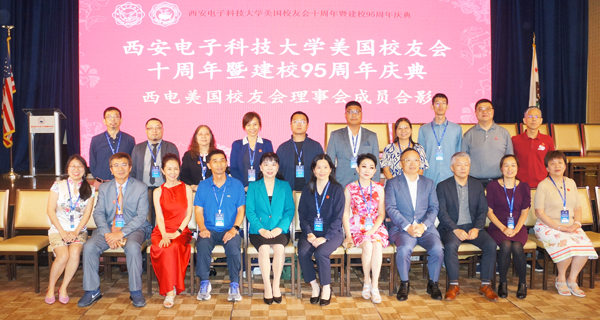
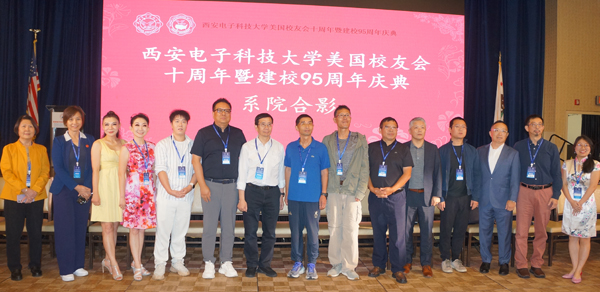
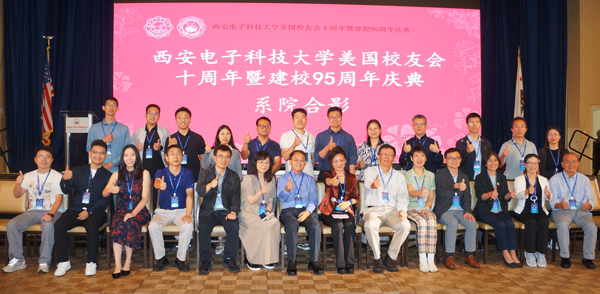
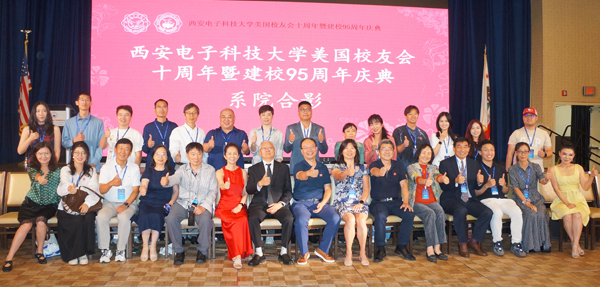
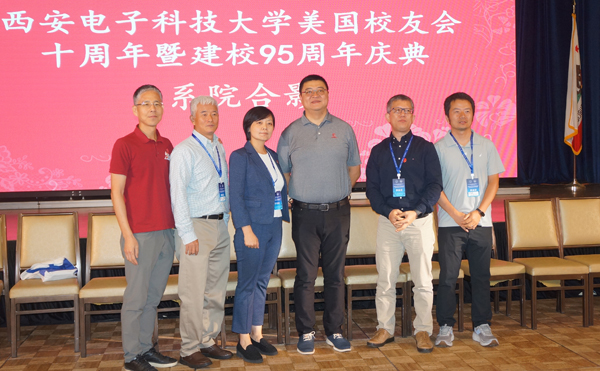
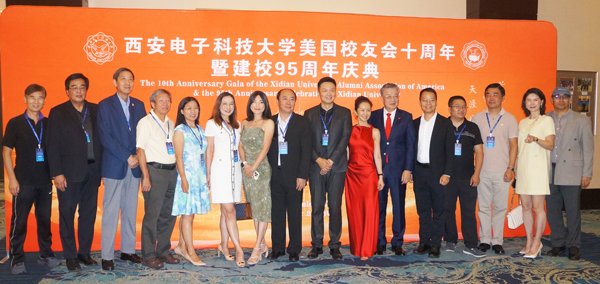
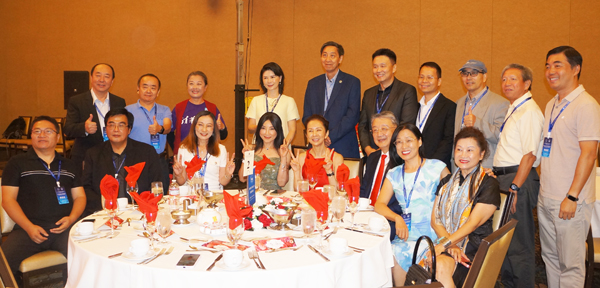
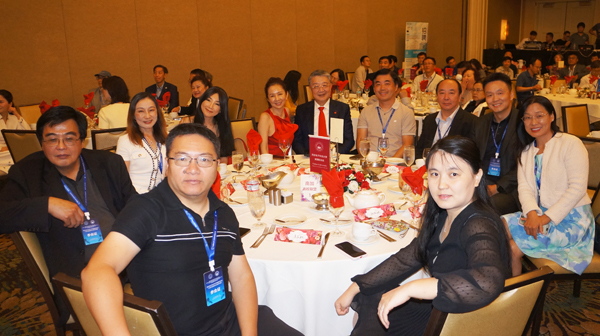
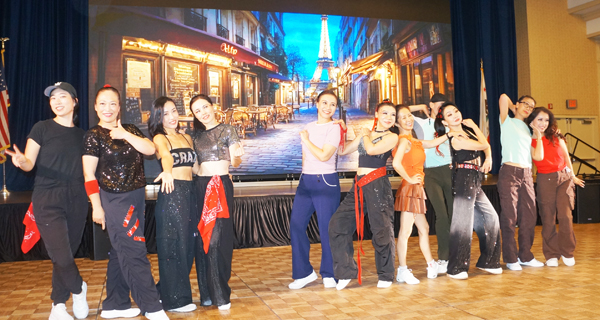
Group photographs taken during the afternoon—including the full gathering, invited guests and alumni from individual schools and departments—captured reunions spanning generations and geographic distances.
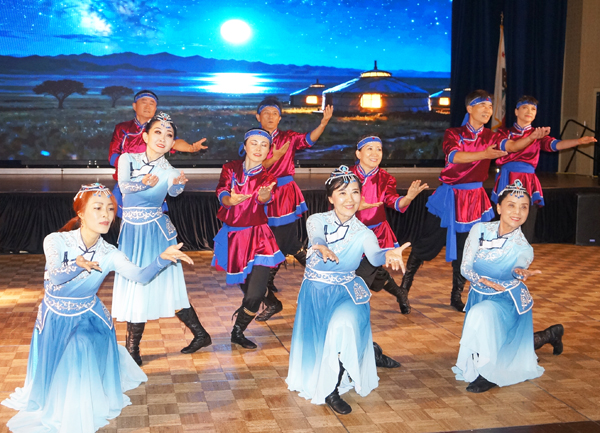
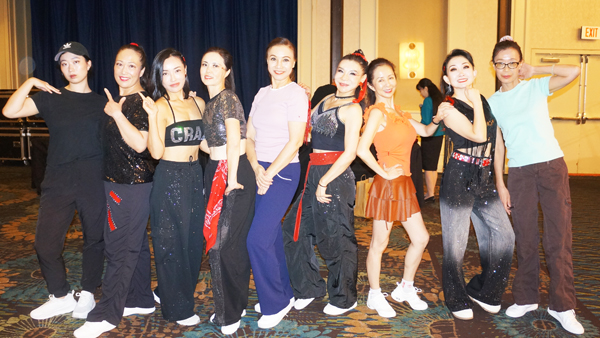
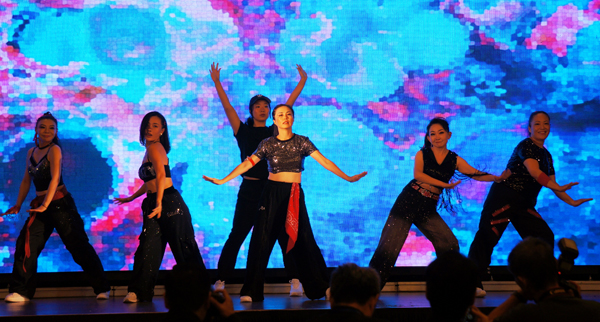
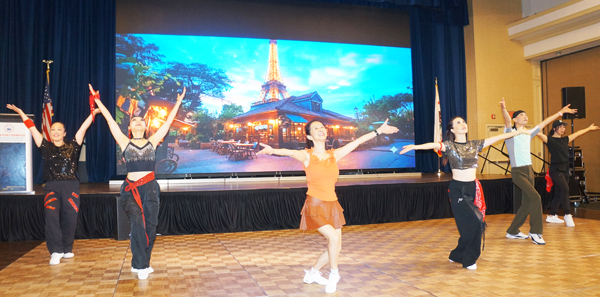
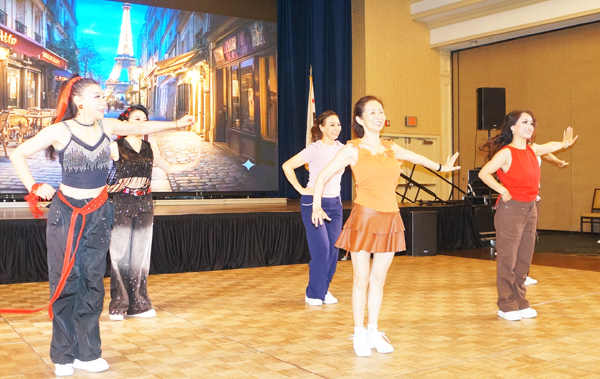
Cultural performances, reflections from alumni of the inaugural China-U.S. joint program and stories shared by alumni couples added personal dimensions to the celebration. After the formal program concluded, attendees continued their conversations, renewing friendships and making new connections.
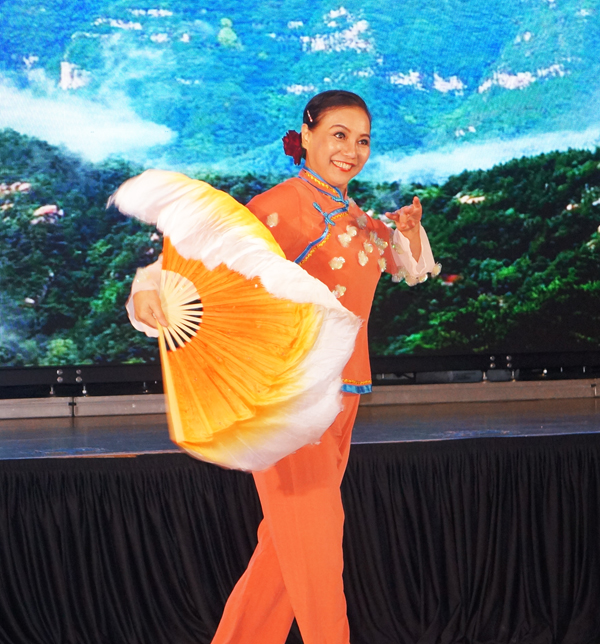
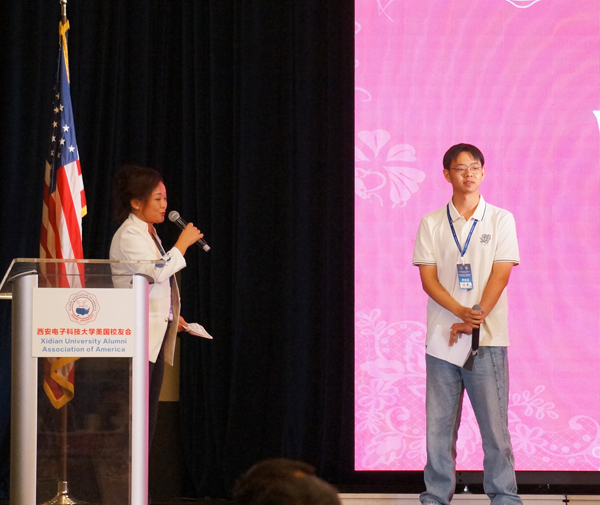
From five presentations on technology and life to an evening reflecting on a decade of shared effort, the celebration connected Xidian alumni’s past with their present.
“The 10th anniversary is a milestone, and an even more important new beginning,” Yang said.
As alumni departed Los Angeles for communities across the United States and around the world, the significance of their reunion would continue in the everyday work of staying connected and supporting one another.