
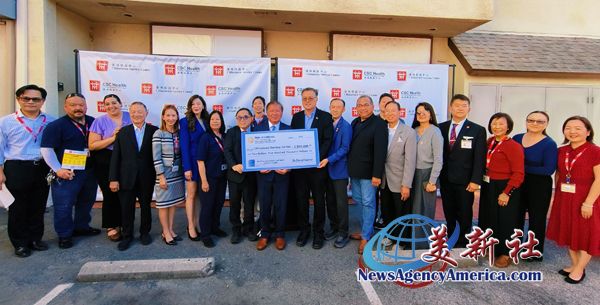
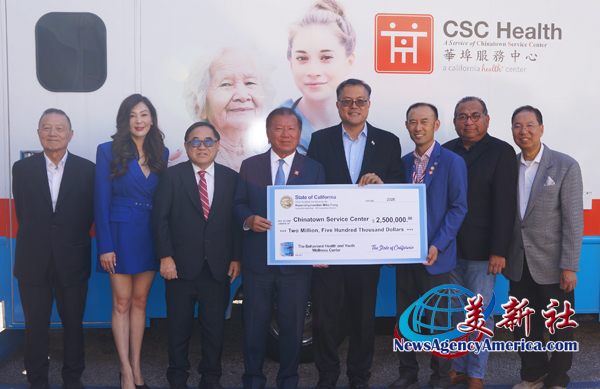
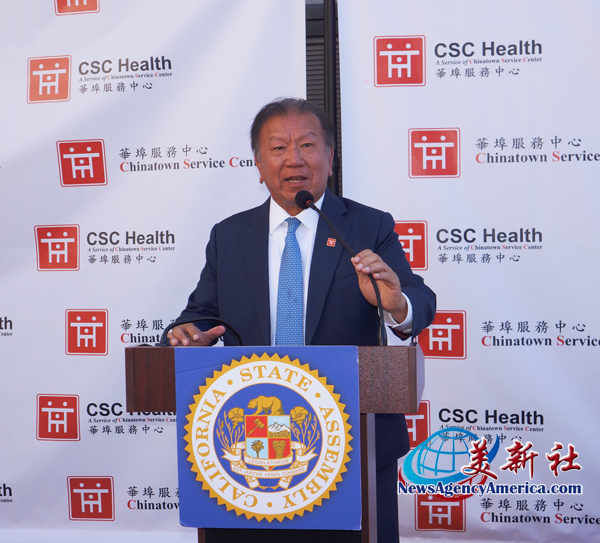
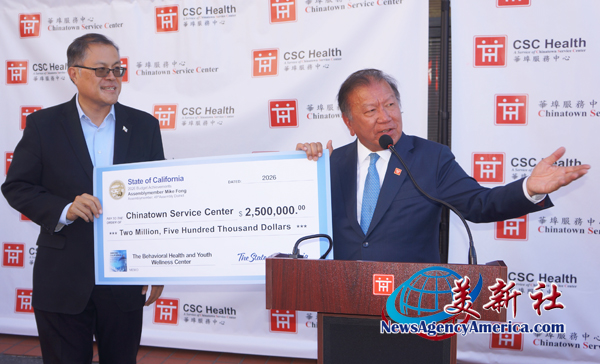
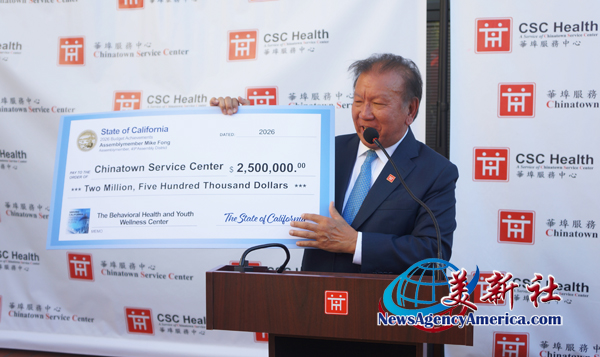
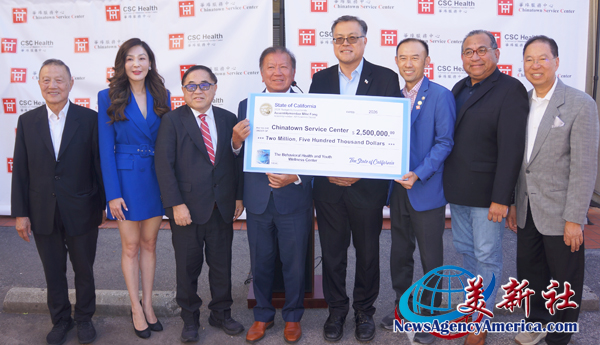
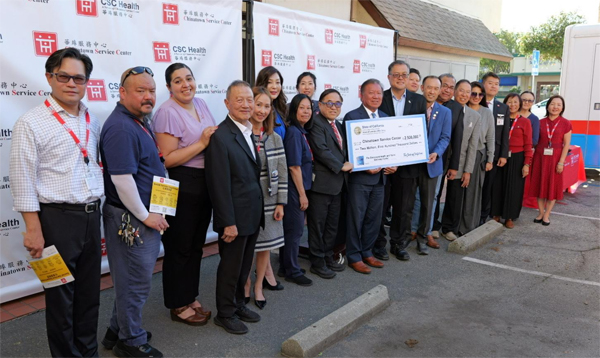
On October 15, 2026, California Assemblymember Mike Fong presented Chinatown Service Center (CSC) in Monterey Park with a ceremonial check for $2.5 million in state funding. The funding will support CSC’s workforce development programs and its Behavioral Health Center in San Gabriel, expanding access to job training, mental health care, and community support services while creating greater opportunities for tens of thousands of residents and families throughout the San Gabriel Valley.
The presentation highlighted the achievements made possible through collaboration between government and nonprofit organizations, while marking the beginning of a new chapter for CSC as it celebrates 55 years of service.
From a Small Office to 12 Locations: 55 Years of Bringing Hope to New Immigrants
Reflecting on the organization’s 55-year history, CSC President and CEO Peter Ng described the occasion as more than a funding presentation—it was an important milestone in the organization’s journey toward the future.
Founded in Los Angeles Chinatown 55 years ago, CSC began with a simple mission: to help newly arrived immigrants navigate life in the United States while facing language barriers, cultural differences, and financial hardship.
For many immigrants who had crossed the ocean to reach America, unfamiliar institutions, limited English proficiency, and a lack of employment opportunities were among the first obstacles to achieving the American dream. CSC emerged in response to those challenges.
What began as assistance with social services and employment has grown into a comprehensive network offering primary care, dental care, specialty medical services, behavioral health care, optometry, youth development, small business support, and vocational training. CSC’s growth also reflects more than half a century of change within Southern California’s Asian immigrant communities.
Ng noted that CSC now operates 12 service locations across Los Angeles County, with a network extending from Los Angeles Chinatown to Monterey Park, Pasadena, and surrounding communities. In September, the organization opened an additional location in Pasadena to address the community’s growing needs.
Today, CSC serves approximately 35,000 individuals and families each year.
“Behind these numbers are people who need help and families working hard to improve their lives,” Ng emphasized. CSC’s mission, he said, has always been to provide a place where residents can turn for assistance and find renewed hope during difficult times.
CSC has provided social services in Monterey Park for 25 years. From its early days in a small rented office to the acquisition of its current property on Garvey Avenue approximately three years ago, the organization has steadily built a stronger foundation for its work.
The property will become an important hub for social services and workforce development programs, offering local residents more convenient access to a broader range of services.
However, rising demand has also brought significant financial pressure, including the costs of renovations, equipment upgrades, and program expansion.
For CSC, the $2.5 million state allocation therefore represents both essential financial support and a critical investment in its long-term development.
Expressing his heartfelt appreciation to Assemblymember Fong, Ng described the hard-won funding as “a timely blessing that seemed to fall from the sky.” Beyond helping improve CSC’s facilities, he said, it was a precious gift to the entire community.
Ng emphasized that the funding’s value extends far beyond renovating a building. CSC has long served residents throughout the San Gabriel Valley, and the planned improvements will allow more families, older adults, and people with limited mobility to receive care and support in a safer, more accessible, and welcoming environment.
Improving accessibility, he explained, means more than upgrading physical infrastructure. It also means removing the visible and invisible barriers that prevent residents from obtaining services, ensuring that community resources reach everyone who needs them.
Once renovations are complete, Ng said, CSC will be able to make full use of its upgraded facilities to improve the quality and efficiency of its services and assist more residents in need.
The true significance of the funding, he emphasized, lies in creating opportunities for families and ensuring that no one is overlooked because of age, physical condition, or limited mobility—turning government support into tangible improvements in people’s lives.
“Chinatown Service Center has been an indispensable resource for our communities, connecting individuals and families with the services they need to improve their lives and achieve their goals,” Fong said in his remarks.
He said he was proud to help secure $2.5 million in state funding to strengthen workforce development opportunities and expand access to mental health services.
“These investments are about ensuring that our communities have the resources and support they need so that every individual and every family can build a healthier, more stable future,” Fong said.
The funding will support CSC’s Workforce Development Center in Monterey Park and its Behavioral Health Center in San Gabriel, helping improve facilities, expand vocational training, and strengthen community mental health and related support services.
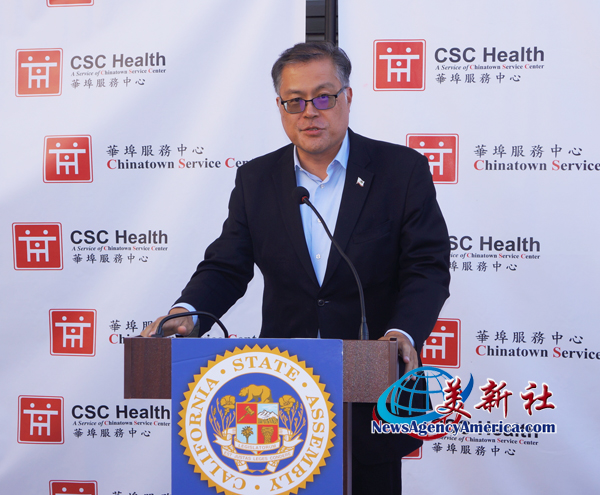
Fong noted that workforce development and talent cultivation have remained central priorities throughout his public service career. From his early work with the City of Los Angeles Community Development Department to his service on the Los Angeles Community College District Board of Trustees and later in the California State Assembly, he has consistently worked to strengthen connections among education, vocational training, and employment.
With California’s health care industry continuing to face staffing needs, he specifically praised CSC’s Certified Nursing Assistant Program. Such programs, he said, can open pathways to professional careers for new immigrants, low-income residents, and first-generation immigrant families while helping build the health care workforce.
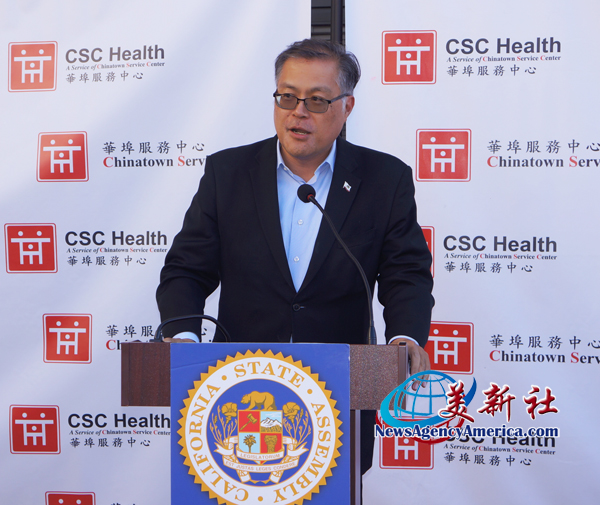
Fong added that the state is also advancing nursing education and related degree programs, with the goal of building a more comprehensive workforce pipeline through education and vocational training.
For CSC, the impact of the funding will extend well beyond building renovations and facility improvements. It has the potential to create practical opportunities for residents to earn professional credentials, enter the workforce, and improve their families’ financial circumstances.
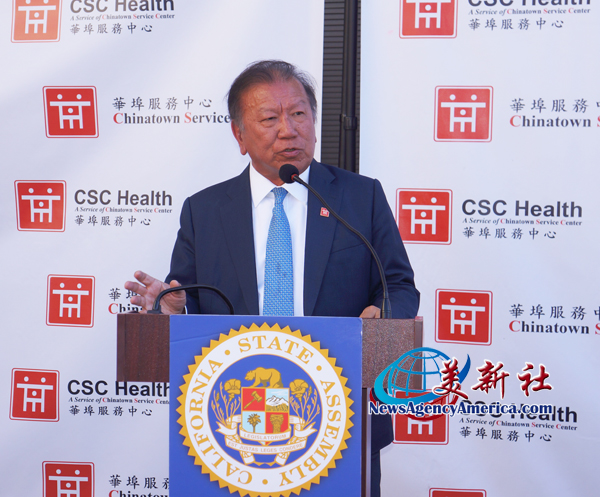
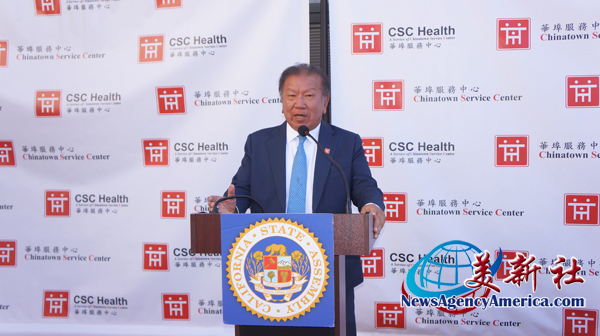
During the presentation, Fong, pictured at left, also reflected on his 25-year relationship with CSC.
He recalled first encountering the organization in 2001, when he began working for the Los Angeles Community Development Department and was assigned responsibilities involving employment resource centers. That work brought him to CSC’s location on Hill Street in Los Angeles Chinatown.
Even then, CSC was helping new immigrants find jobs, receive vocational training, and adjust to life in the United States through multilingual and culturally responsive services.
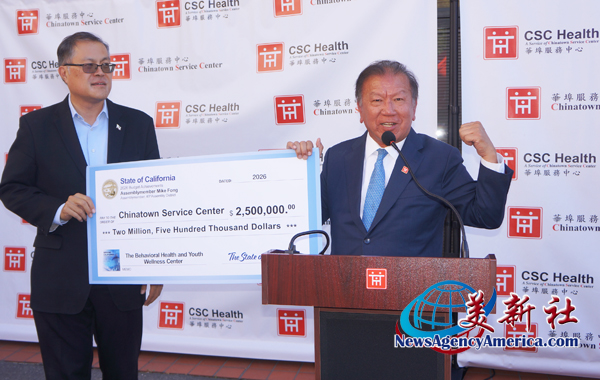
Fong said those early experiences taught him that effective public services depend on whether immigrants can receive assistance in a familiar language and in an environment that understands their cultural backgrounds.
Today, CSC continues to offer services in Mandarin, Cantonese, Taishanese, Spanish, and other languages, responding to the needs of the San Gabriel Valley’s highly diverse population.
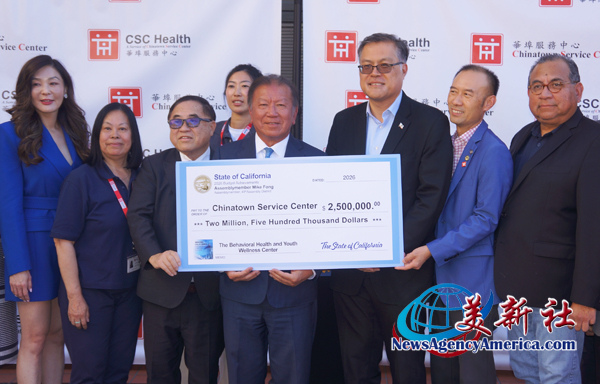
Fong described CSC as more than a service provider: it is a trusted partner that has built lasting relationships within the community.
In 2022, during his first year in the State Assembly, he selected CSC as his Nonprofit of the Year and invited representatives to the California State Capitol to receive the recognition.
From their first encounter 25 years ago to the successful effort to secure $2.5 million in state funding, the partnership between Fong and CSC illustrates how sustained collaboration between government and community organizations can continue to address residents’ needs.
After the Monterey Park Shooting, Community Resilience Becomes a Central Mission
Alongside vocational training, mental health care is another major focus of the funding.
In 2023, the mass shooting in Monterey Park shocked the nation and left lasting pain within the local Asian American community.
In the aftermath, CSC quickly mobilized to help victims’ families and other affected residents access mental health care and related support services.
Fong recalled working with Monterey Park Councilmember Vinh T. Ngo and others to advance community support efforts, with CSC taking an active role in the work of the Resiliency Center.
At a time of profound community trauma, the center provided essential mental health resources and support, helping residents begin to work through their grief and fear.
Fong said CSC’s ability to respond quickly during a crisis grew out of its longstanding community presence and the deep trust it had established with residents.
He also recalled inviting Amy Tong, then serving as Government Operations Secretary in Governor Gavin Newsom’s administration, to visit the Resiliency Center and learn about its services.
In Fong’s view, mental health services should be an integral part of a community’s long-term care system, extending beyond emergency responses after a crisis.
For immigrant communities that have historically lacked adequate services, language barriers, cultural differences, and the stigma surrounding mental health can discourage residents from seeking help or prevent them from receiving timely care.
Fong said the state funding will help expand services, including early mental health intervention, behavioral health resources, and community support networks, so that more residents can receive appropriate assistance when they need it.
He also recalled recently joining CSC at a roundtable on health care and immigrant rights with California Assembly Speaker Robert Rivas, U.S. Representative Judy Chu, former California Assemblymember Mike Eng, and community leaders. Participants discussed ways to improve health care and mental health services throughout the San Gabriel Valley.
These ongoing partnerships underscore the growing importance of mental health as a shared priority for government and community organizations.
Peter Ng: More Than a Grant—An Investment in the Community’s Future
On behalf of CSC, Ng expressed sincere gratitude for the state’s support.
“This investment in workforce development, social services, and behavioral health programs will connect more San Gabriel Valley residents with the resources they need to improve their lives and move toward a better future,” he said.
Ng emphasized that sustaining high-quality nonprofit services requires more than the dedication and commitment of staff. It also depends on reliable financial resources and long-term support from government, businesses, and the broader community.
The state funding will provide significant support for CSC’s facility improvements and future service expansion.
Ng also thanked the organization’s board members for their longstanding commitment, including Wilson Tang; former board chair and Monterey Park Councilmember Vinh T. Ngo; Board Secretary Ted Ramirez; former board chair Joseph Chang; and former board chair Henry Kwong.
For 55 years, Ng said, CSC has remained committed to its founding mission of serving the community and helping vulnerable families. It will continue expanding its service network to reach more residents in need.
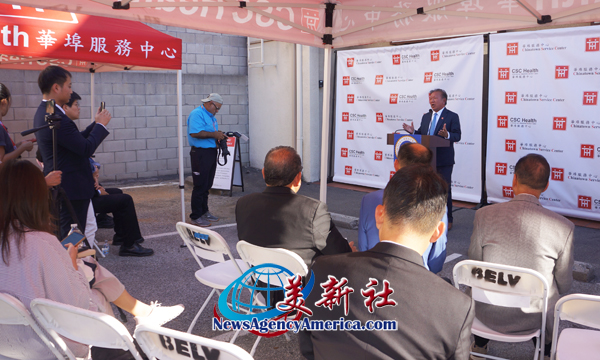
At the conclusion of the event, Fong presented the $2.5 million ceremonial check in the presence of CSC board members, staff, and community representatives.
From helping new immigrants in Los Angeles Chinatown 55 years ago to operating 12 locations across Los Angeles County and serving approximately 35,000 individuals and families annually, CSC’s history reflects the struggles, perseverance, and growth of Southern California’s immigrant communities.
With this infusion of $2.5 million in state funding, the nonprofit organization that has helped countless families through difficult times will meet new challenges with stronger workforce development and mental health services.
Fifty-five years ago, CSC helped new immigrants find their footing in an unfamiliar country. Today, it is opening new pathways for the next generation to pursue professional careers, healthier lives, and brighter futures.
The $2.5 million check marks an important starting point for that next chapter.
 https://www.cscpace.org/